Easter Egg Hunter SVG: An Embroidery Designer’s Review
When evaluating a new machine embroidery design for seasonal production, my first question is always about translation. A vector graphic might look crisp on a screen, but will it survive the needle? As a designer who regularly bridges the gap between digital assets and physical textiles, I approached the Easter Egg Hunter SVG with a critical eye toward stitchability and commercial viability. This isn't just another cute holiday graphic; it is a versatile asset that sits at the intersection of Crafts and Graphics, demanding careful consideration before it touches fabric.
First Impressions and Seasonal Mood
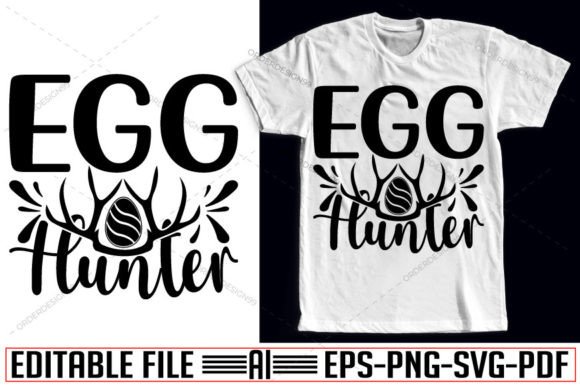
The initial visual impact of the Easter Egg Hunter SVG strikes a balance between nostalgic charm and modern clean lines. For an embroidery project, this is crucial. Overly complex illustrations often turn into muddy thread nests, while overly simple ones can feel cheap. This design possesses enough structural integrity to support various stitch types without losing its whimsy. The mood is undeniably cheerful, evoking springtime energy that appeals to families and boutique shoppers alike. However, as a professional, I look past the aesthetic to assess the geometry. The curves appear smooth, suggesting they were created with vector precision rather than auto-traced raster images, which bodes well for digitizing accuracy.
Real-World Application: The Custom Tote Bag Test
To truly understand the value of this file, I mentally placed it onto a canvas tote bag intended for a local craft fair. Totes are high-stakes items because the fabric texture is coarse and the surface area is large. In this scenario, the Easter Egg Hunter SVG serves as an excellent centerpiece. Because it is a print-ready vector file, scaling it up for a 6x10 hoop size shouldn't result in jagged edges or pixelation, provided your digitizing software interprets the nodes correctly.
For this specific tote bag design, I envision using a combination of techniques. The main body of the egg hunter could utilize a fill stitch with a textured pattern to mimic woven fabric, reducing stitch count and preventing the "bulletproof" stiffness that plagues dense embroidery. The outline would benefit from a sturdy satin stitch or a heavy running stitch to define the shape against the natural canvas grain. If you are an Etsy seller or small shop owner, this application transforms a basic utility item into a premium handmade product. Customers respond to designs that feel integrated with the material, not just slapped on top. The playful nature of this graphic invites interaction, making it perfect for reusable shopping bags sold during spring markets.
Navigating Fabric Variables and Stabilizer Choices
Versatility is the hallmark of a good digital embroidery file, but it requires technical awareness. While the product description suggests uses ranging from sweatshirts to tea towels, each substrate demands a different strategy. When applying the Easter Egg Hunter SVG to knit fabrics like jumpers or pillow hoodies, stretch is the enemy. You must use appropriate stabilizer—likely a cut-away mesh—to prevent distortion. The design’s layout likely includes vertical elements that can pull if the tension isn't balanced.
Conversely, when working with tea towels or art prints, the challenge shifts to density. Linen and cotton weaves are unforgiving of poor registration. If you plan to use this as an applique design, ensure the tack-down stitches align perfectly with the placement line. For baby embroidery projects, such as bibs or onesies, safety and comfort take precedence over visual complexity. You may need to simplify internal details of the Easter Egg Hunter SVG to reduce bulk against sensitive skin. Always test on scrap fabric first. A design that looks beautiful on a screen can become too dense for lightweight cotton, leading to puckering that no amount of pressing can fix.
Commercial Viability for Creative Entrepreneurs
For those running a craft business, time is money. The fact that this comes as a print-ready vector file offers significant advantages beyond embroidery. You can create cohesive branding across multiple touchpoints. Imagine offering a matching set: an embroidered sweatshirt featuring the Easter Egg Hunter SVG alongside a printed invitation or gift card using the exact same artwork. This consistency builds brand recognition and trust. Buyers appreciate when a personalized gift feels part of a curated collection rather than a random assortment.
Furthermore, this asset supports the creation of professional printable mockups. Before you commit thread to fabric, use the vector file to create digital previews for your online listings. High-quality mockups increase buyer engagement and reduce return rates by setting accurate expectations. As design assets go, having a single source file that works for both vinyl cutting, sublimation, and embroidery digitizing streamlines your workflow significantly. Just remember to verify licensing terms regarding commercial use of finished products versus selling the digital file itself.
Critical Considerations for Stitching Success
Despite its versatility, there are scenarios where caution is necessary. Small hoop sizes present the biggest risk for the Easter Egg Hunter SVG. Intricate facial features or tiny decorative elements may not translate well below three inches. In these cases, consider using the design as a patch element or simplifying the artwork specifically for miniature applications. Detailed corners and sharp angles can also be problematic; needles tend to perforate fabric excessively at acute points, causing tears in delicate materials.
Thread color contrast is another vital factor. On dark fabrics, light threads pop beautifully, but you must account for underlay to prevent the fabric color from bleeding through. On white or pastel fabrics, ensure your thread selection provides enough definition so the design doesn't wash out visually. I recommend testing the design in black and white grayscale before stitching. If the values don't read clearly in monochrome, they won't read clearly in thread, regardless of how vibrant your colors are.
- Check Hoop Compatibility: Confirm the design dimensions fit your machine's maximum field before purchasing or digitizing.
- Evaluate Stitch Density: Adjust fill patterns based on fabric weight to avoid stiffness or puckering.
- Test Thread Contrast: Verify visibility on both light and dark backgrounds using grayscale simulations.
- Review Licensing: Ensure you have rights for commercial embroidery sales versus digital redistribution.
- Validate File Integrity: Open vectors in your software to check for open nodes or overlapping paths.
Final Thoughts on Value and Presentation
Ultimately, the Easter Egg Hunter SVG represents a solid foundation for seasonal inventory. Its strength lies in its adaptability across the spectrum of custom apparel, home decor, and paper goods. For the apparel decorator, it offers a fresh alternative to generic clip art. For the hobbyist, it provides a manageable yet rewarding stitching experience. The key to maximizing its potential is respecting the relationship between the digital line and the physical stitch.
When presenting finished items, whether at a craft fair or online, highlight the craftsmanship enabled by this design. Show close-ups of the satin stitch borders and the texture of the fill areas. Explain the care taken in selecting stabilizers and thread weights. This transparency elevates the perceived value of your work. Customers aren't just buying an Easter motif; they are investing in a durable, thoughtfully executed piece of art. By treating the Easter Egg Hunter SVG as a professional tool rather than a quick fix, you ensure that every finished product reflects the quality and dedication inherent in your brand. Always prioritize testing and fabric-specific adjustments to guarantee that your creative vision translates flawlessly from screen to seam.