The Great Gift of Easter: An Embroidery Design Review
As a professional designer and product reviewer, I approach every new asset with a critical eye toward production viability. When evaluating The Great Gift of Easter, my primary focus is not just the aesthetic appeal of the graphics, but how this digital embroidery file translates into a tangible, high-quality finished product. For Etsy sellers, apparel decorators, and craft business owners, the gap between a screen preview and a stitched reality is where profit margins and customer satisfaction are determined. This review assesses the design’s practical performance across various mediums, from custom apparel to home decor, ensuring it meets the rigorous standards required for commercial embroidery projects.
First Impressions and Visual Hierarchy
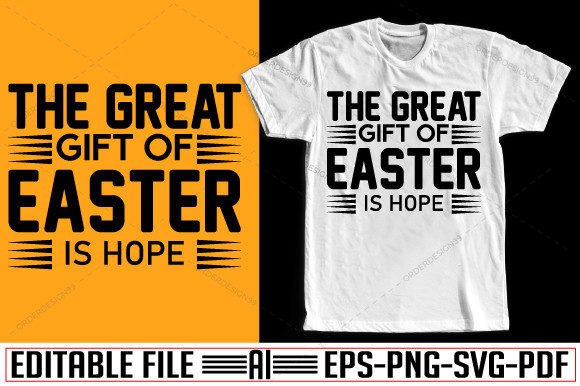
Upon opening the vector assets associated with The Great Gift of Easter, the immediate impression is one of versatile festivity. The layout suggests a balance between traditional holiday motifs and modern graphic clarity. For an embroidery project, visual hierarchy is paramount; the eye must be drawn to the focal point without getting lost in unnecessary noise. This design appears to respect that principle. The shapes are distinct enough to suggest they will digitize well into clean satin stitch borders or defined fill stitch areas. Unlike overly complex illustrations that turn into muddy thread nests, this graphic seems structured for clarity at multiple scales.
The mood strikes a careful balance. It feels appropriate for both a personalized gift for a child and a sophisticated tea towel for an adult. This duality is essential for small shop products where inventory space is limited. A design that can span demographics increases its return on investment. As a graphics asset within the Crafts category, it avoids the trap of being too juvenile, allowing makers to create boutique branding that feels elevated rather than generic.
Real-World Application: The Sweatshirt Test
To truly judge this machine embroidery design, I mentally placed it in a specific production scenario: creating a premium Easter sweatshirt for a spring capsule collection. Sweatshirt embroidery presents unique challenges due to the fabric's texture and stretch. In this context, The Great Gift of Easter needs to hold its own against fleece backing and ribbed cuffs.
If I were stitching this onto a heavyweight cotton hoodie, I would look for bold lines that won't disappear into the fabric nap. The design’s composition suggests it could serve as a strong center chest piece or a subtle left-chest logo. For a tote bag design, the same vector lines would translate beautifully into crisp applique work or dense stitching on canvas. However, when moving to lighter items like baby embroidery on onesies, the scale must be adjusted carefully. The beauty of having print-ready vector files is the ability to resize elements without losing integrity, but the embroiderer must still verify that reduced details remain legible after stitching. A 4-inch version might look stunning on a pillow cover, but shrinking it to 2 inches for a bib requires checking if tiny lettering or intricate accents will survive the needle.
Technical Considerations for Stitching Success
While the source art is promising, successful commercial embroidery depends entirely on execution. When preparing The Great Gift of Easter for production, several technical factors demand attention. First, consider the hoop size relative to the design dimensions. Maximizing hoop usage reduces re-hooping time, but overcrowding can cause registration issues. Always test the design on scrap fabric that matches your final substrate. If you are working with textured fabrics like terry cloth for tea towels or knits for jumpers, use an appropriate stabilizer to prevent puckering and ensure the stitch density sits correctly on top of the material.
Thread color contrast is another critical variable. A design that looks vibrant on a white background in a printable mockup may lose definition on a navy sweatshirt. Before running a full production batch, test the palette on both light and dark backgrounds. You may need to adjust underlay stitches or add a white base layer to maintain color fidelity. Furthermore, inspect small details closely. Elements that look fine as vectors can become problematic as stitches. If the design includes delicate script or thin connecting lines, verify they are wide enough to accommodate a standard needle and thread without breaking. Running stitch outlines often fail on stretchy fabric if not properly supported by adequate underlay.
Navigating Fabric Limitations and Product Fit
Not every surface is suitable for every design. While The Great Gift of Easter is marketed for diverse uses, practical judgment is necessary. Curved surfaces like caps require designs specifically digitized for cylindrical hoops; flat artwork often distorts when wrapped around a brim. Similarly, layered garments or items with seams can interfere with stitch placement. For products requiring frequent washing, such as kitchen towels or baby clothes, ensure the stitch type is durable. Satin stitch borders should be securely anchored, and fill stitches should have sufficient density to withstand abrasion without fraying.
For digital product sellers offering this as part of a bundle or using it for marketing materials, the versatility of the vector format is a major asset. High-resolution graphics allow for professional-looking Etsy listings and social media content. However, always clarify licensing terms before selling finished items or digital derivatives. Confirm whether the license permits commercial embroidery, as this protects your business from future disputes. Transparency about what customers can expect from the finished product builds trust and reduces returns.
Elevating Brand Value Through Design Choice
Ultimately, selecting The Great Gift of Easter is a strategic decision for your handmade business. A well-executed embroidery project does more than decorate fabric; it communicates quality. When customers see clean registration, appropriate thread tension, and thoughtful placement, they perceive higher value. This design offers the potential for that level of professionalism, provided the maker respects the technical requirements of the medium.
Consider how this asset fits into your broader brand consistency. Does its style align with your existing holiday embroidery offerings? Can it be paired with other design assets to create a cohesive collection? For creative entrepreneurs, building a recognizable aesthetic is key to buyer engagement. Using versatile graphics like this allows for efficient product development while maintaining a fresh seasonal offering. Whether applied to invitations, scrapbooking elements, or wearable art, the underlying strength of the graphic ensures it performs across contexts.
In conclusion, The Great Gift of Easter presents as a robust candidate for real-world application. Its success, however, lies in the hands of the maker. By approaching it with technical diligence—testing stabilizers, verifying stitch paths, respecting fabric limitations, and validating licensing—you transform a digital file into a profitable, cherished physical product. For the experienced crafter or business owner, this design offers a solid foundation for celebrating the season through the enduring art of embroidery.