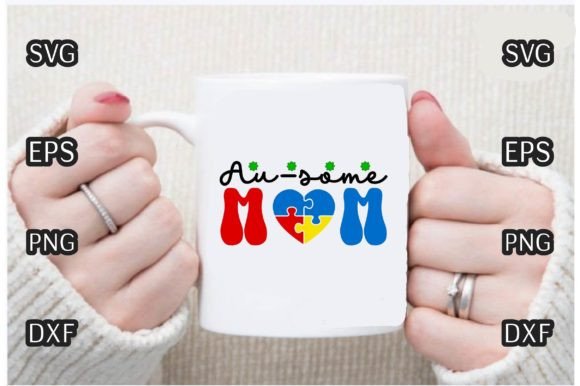
Retro Autism SVG: Au-some Mom Design Review
As a professional embroidery designer and product reviewer, I approach every new digital asset with a critical eye toward production viability. When evaluating the Retro Autism SVG, Au-some Mom, my primary focus is not just the aesthetic appeal but how this graphic translates from a screen to a tangible, stitched reality. This design falls squarely within the Crafts and Graphics categories, targeting a niche that demands both sensitivity and style. For Etsy sellers, apparel decorators, and makers creating personalized gifts for neurodivergent families, the intersection of retro nostalgia and autism advocacy is a powerful market segment. However, successful execution depends entirely on understanding the technical behavior of this specific embroidery file before it ever touches a hoop.
First Impressions and Retro Aesthetic Viability
Upon opening the ZIP file containing the SVG, DXF, EPS, and high-resolution PNG assets, the immediate impression of the Retro Autism SVG, Au-some Mom is one of warmth and approachability. The retro typography suggests a 70s-inspired vibe, which is currently trending heavily in the handmade product space. From a design judgment perspective, this stylistic choice is excellent for embroidery because retro fonts often feature bolder, more organic shapes than thin modern serifs. This inherent boldness is a safety net for stitch clarity.
The layout feels balanced for center-chest placement on custom apparel or as a focal point on a tote bag design. The visual personality strikes a necessary chord; it celebrates motherhood and neurodiversity without feeling clinical or overly sentimental. For a craft business or boutique branding effort, this mood creates instant buyer engagement because it signals understanding and community rather than generic awareness. As a digital embroidery file, the vector lines appear clean, suggesting that digitizing this into satin stitch or fill stitch areas should result in smooth edges rather than jagged transitions, provided the digitizer respected the original curve integrity.
Real-World Application: Stitching the Sweatshirt Test
To truly evaluate this machine embroidery design, I mentally simulated a real-life production scenario: creating a premium crewneck sweatshirt for a small shop product launch. Sweatshirt fleece is a textured fabric that can swallow fine details, making it the ultimate stress test for any graphics-based embroidery project.
In this scenario, the Retro Autism SVG, Au-some Mom performs well due to its likely reliance on substantial letterforms. When stitching on fleece, I would anticipate using a cutaway stabilizer to prevent puckering. The retro style allows for a slightly higher stitch density without becoming bulletproof, which is crucial for wearer comfort. If this were an applique design, the raw-edge or turned-edge finish would complement the vintage aesthetic perfectly. However, if the design relies solely on thread, the contrast between the retro font color and the sweatshirt base must be high. A cream thread on a sage green sweatshirt, for example, would highlight the "Au-some Mom" text beautifully while maintaining the soft, handmade product feel that customers trust.
For Etsy sellers listing this finished product, the high-resolution PNG included in the download is invaluable for creating printable mockups. Buyers need to see how the retro elements interact with garment texture before purchasing. Using the provided assets to create realistic previews bridges the gap between digital download and physical expectation, reducing returns and increasing perceived value.
Technical Considerations for Diverse Substrates
While the design shines on stable knits, experienced makers know that versatility requires caution. When adapting the Retro Autism SVG, Au-some Mom for different projects, specific technical adjustments are non-negotiable.
- Caps and Curved Surfaces: If applying this to a hat, verify the vertical height. Retro designs often have stacked text that may exceed standard cap frame limits. You may need to resize or rearrange elements, so check your software’s distortion settings to maintain the vintage proportion.
- Baby Embroidery and Thin Fabrics: For baby clothes or tea towels, stitch density is the enemy. Heavy fill stitch areas can cause fabric distortion or make the garment stiff. Always test on scrap fabric first. You might need to reduce density or switch to running stitch outlines for smaller sizes to preserve the drape of the material.
- Dark Fabric Challenges: Retro aesthetics often utilize muted palettes. On dark fabric, ensure the thread colors have enough luminance to pop. The design may require a white underlay base to prevent the dark fabric from showing through lighter pastel threads, which adds stitch count but ensures professional results.
- Small Hoop Size Limitations: Detailed retro textures can become muddy when scaled down below 3 inches. Inspect small details like punctuation or internal letter counters. If they close up during a test stitch-out, the design is better suited for larger formats like pillow covers or aprons rather than pocket-sized patches.
Commercial Value and Professional Presentation
For creative entrepreneurs and commercial embroidery businesses, the value of this asset extends beyond a single stitch-out. The inclusion of multiple formats (SVG, DXF, EPS) ensures compatibility across various cutting machines and embroidery software, streamlining workflow for mixed-media projects. For instance, you could use the SVG for vinyl decals on matching tumblers while using the embroidery file for apparel, creating a cohesive brand collection.
However, professionalism dictates due diligence. Before selling finished items featuring the Retro Autism SVG, Au-some Mom, you must confirm the licensing terms. While the product description confirms receipt of the digital files, it does not explicitly state commercial usage rights for physical products versus digital redistribution. Responsible makers always verify this to protect their shop and respect the original artist. Furthermore, when marketing these items as holiday embroidery or personalized gifts, emphasize the quality of the stitch-out. Customers buying autism advocacy gear are often deeply invested in the message; sloppy registration or poor stabilizer choices can undermine the sentiment. High-quality execution builds customer trust and reinforces the supportive nature of the niche.
Designer Notes for Optimal Results
Based on my evaluation of similar retro advocacy graphics, here are practical steps to ensure your Retro Autism SVG, Au-some Mom project succeeds:
- Always Test Stitch: Never run this design directly on a final product without a test. Fabric texture varies wildly, and what works on cotton may fail on performance wear.
- Check Thread Contrast: Retro colors can sometimes blend together. Use black and white mockups or grayscale stitch simulations to verify that all design elements remain distinct and legible.
- Stabilizer Selection: Match your stabilizer to the fabric weight, not just the design size. Stretchy fabrics require cutaway; woven fabrics may suffice with tearaway. Proper stabilization is the difference between a boutique-quality item and a craft fair reject.
- Mockup Accuracy: Utilize the included high-resolution PNG to create accurate listings. Do not rely solely on flat digital renders. Show the design on a wrinkled sweatshirt or a draped tote bag to set realistic buyer expectations.
- Verify File Integrity: Upon downloading the ZIP, open each format to ensure no corruption occurred. Confirm that the design dimensions fit your specific machine’s hoop size before beginning production.
Ultimately, the Retro Autism SVG, Au-some Mom represents a strong opportunity for makers to create meaningful, stylish merchandise. By treating this digital asset with technical respect and artistic intention, you transform a simple download into a cherished, high-value embroidered product that resonates authentically with its audience.